
Website Development Oxford
Website Development Oxford supports small businesses, service providers and organisations that need a website built around real commercial goals. Whether you are starting from scratch, replacing an outdated site or improving an existing business website, the right structure, content and user experience can make it easier for people to understand your offer and take the next step. Explore website development services from Fast Online.
SEO-Friendly Website Development Oxford
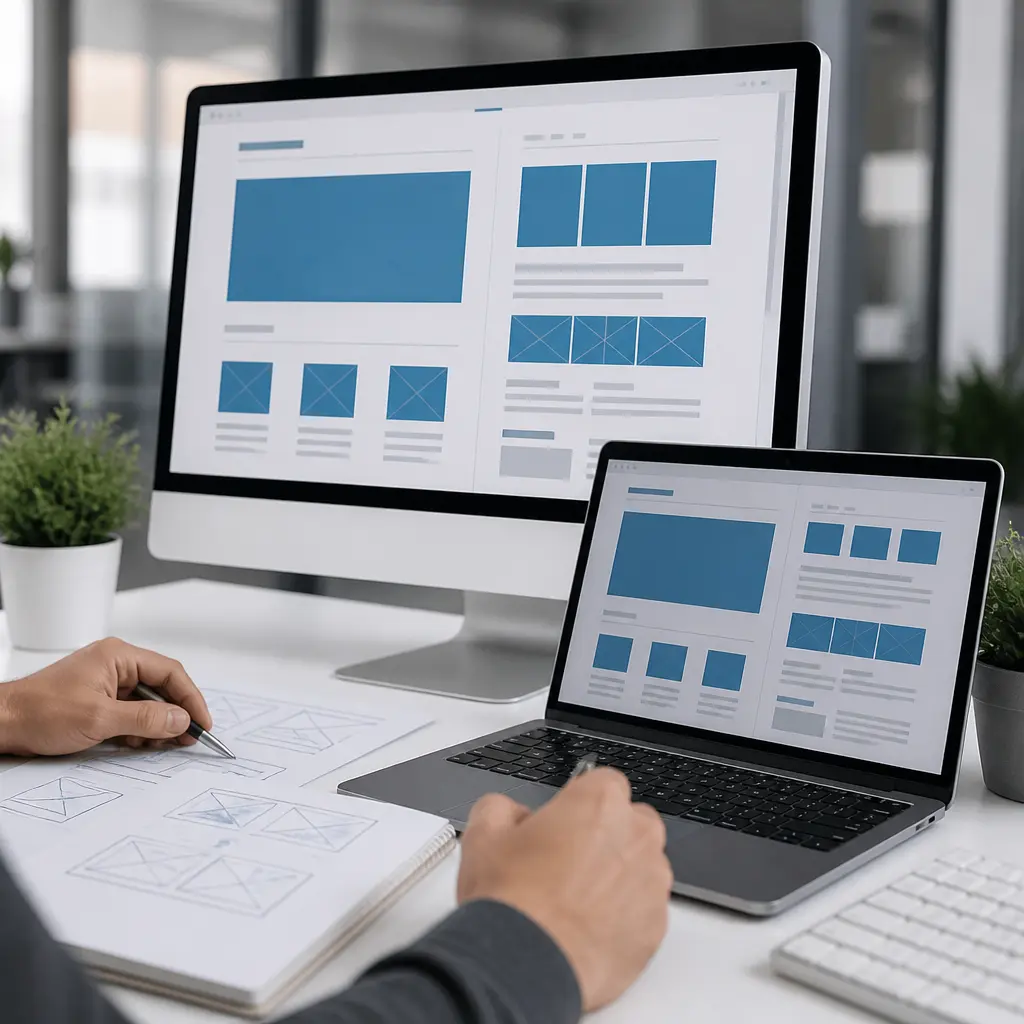
SEO-friendly website development begins with a structure that makes sense to both visitors and search engines. Pages should follow a clear hierarchy, with relevant content organised around customer questions, services and locations. Sensible metadata foundations, crawlable page templates and clean internal linking help search engines interpret the site, while a user-focused layout keeps attention on the information that supports an enquiry.
For Oxford businesses comparing providers, this means looking beyond visual design alone. A website should give each important service an appropriate page, use descriptive headings and make navigation straightforward. These principles are part of the wider website development approach, helping create a platform that can support future content, search visibility and commercial growth.
Responsive Web Design Oxford
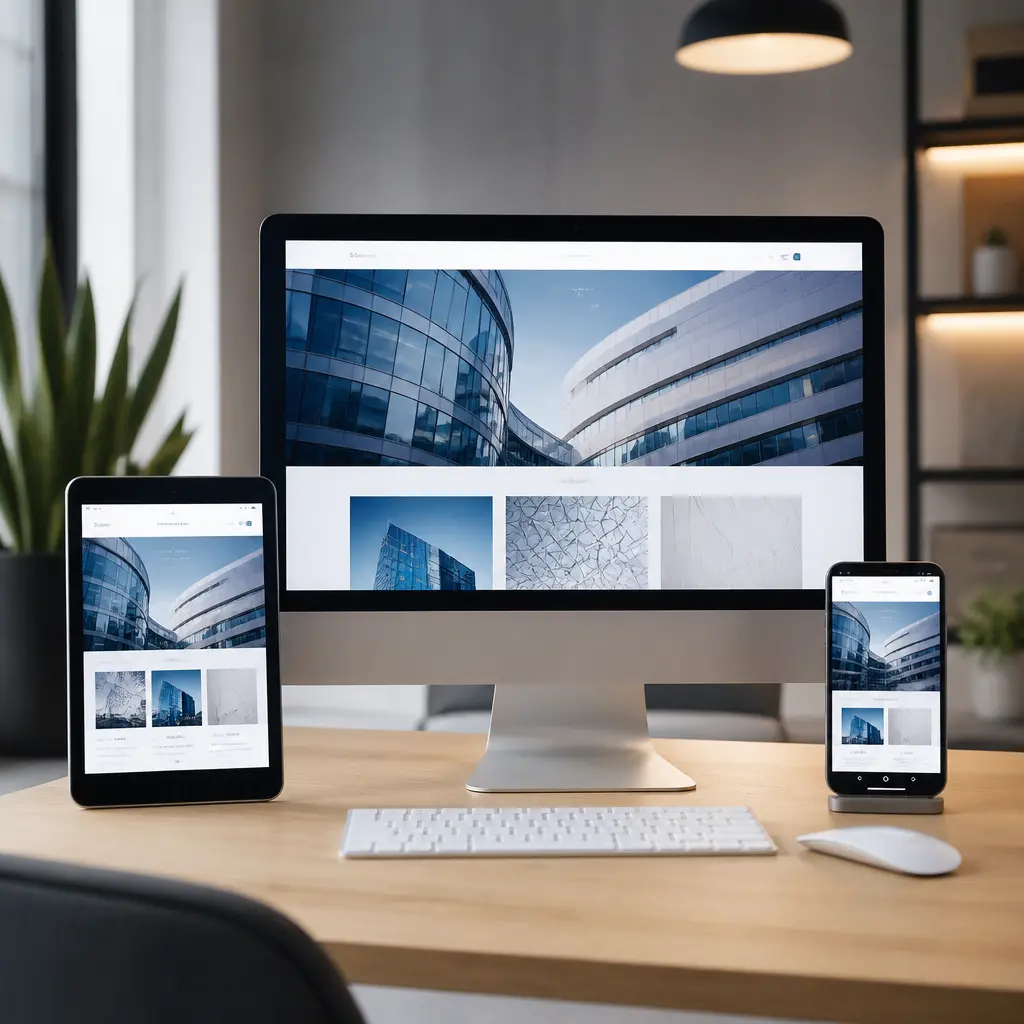
Responsive web design ensures that a business website remains practical and clear across mobiles, tablets, laptops and larger screens. Since many customers browse while travelling, comparing providers or looking for a service on a phone, layouts need to adapt without making menus, forms or key information difficult to use.
Good responsive design considers touch controls, readable typography, image sizing, page speed and the order in which information appears on smaller screens. It also supports conversion by making contact details, service explanations and enquiry journeys accessible without unnecessary scrolling or zooming. For organisations in Oxford, a responsive site presents a more consistent experience wherever a potential customer first discovers the business.
Planning a Business Website That Works for Oxford Customers
A successful website project starts before the first page is designed. The most useful starting point is a clear understanding of what the website needs to achieve, who it must serve and how visitors are likely to decide whether to enquire. A site for a local service business may need strong service pages and simple enquiry routes, while an organisation may require detailed information, resources, applications or integrations.
Small Business Website Development
Small Business Website Development should be proportionate, focused and easy to manage. A smaller company does not necessarily need a complicated build, but it does need the right pages and a clear explanation of its offer. A typical structure might include a homepage, service or product pages, an about page, contact information and useful supporting content. Each page should have a defined purpose rather than existing simply because it is a standard item in a navigation menu.
Planning should also identify the actions that matter most. Depending on the business, these may include completing an enquiry form, calling, requesting a consultation, visiting a location or reading enough information to make an informed decision. Strong calls to action should be placed where they are relevant, without interrupting the visitor before they understand the service. Businesses considering a wider digital project can also review apps and software development where a website may need to connect with a broader system.
Business Website Design
Business Website Design is more than choosing colours, images and page layouts. It should communicate the organisation’s priorities quickly and create a logical path through the information. Clear navigation, consistent page templates and well-presented service details help visitors compare options without having to search through cluttered pages.
Content is a central part of the design process. Before development begins, it is useful to decide which questions customers ask, what objections may prevent an enquiry and what evidence or explanations are needed to build confidence. Service descriptions should be specific, readable and aligned with the organisation’s actual offer. Imagery should support the message rather than distract from it, and important information should not be hidden inside graphics that search engines and assistive technologies may struggle to interpret.
The website should also be planned for future changes. A business may add services, publish guidance, create sector pages or introduce new enquiry routes. Flexible templates and a sensible content structure make those updates easier than rebuilding the site whenever the offer changes. Fast Online’s broader digital services can be considered alongside website planning where other channels form part of the same customer journey.
WordPress Website Development
WordPress Website Development can be a practical choice for businesses that want a manageable content platform with room to grow. WordPress can support service pages, news or guidance articles, landing pages and custom features when it is configured around the project rather than overloaded with unnecessary components.
Platform selection should consider who will maintain the website, how often content will change and whether specific integrations are required. A professional build should include a considered page structure, appropriate editing controls and attention to security, performance and accessibility. It is also important to establish how updates, backups, content amendments and technical issues will be handled after launch. A platform is only useful if the organisation can keep the information accurate and the website functioning properly.
Features and Content to Consider
The right features depend on the customer journey. Possible requirements include enquiry forms, service-area pages, booking or application journeys, downloadable resources, maps, galleries, blog functionality, email integration or connections to external systems. Each feature should have a clear purpose and be assessed for its effect on usability, maintenance and performance.
Content requirements should be agreed early. This includes page copy, headings, calls to action, photography, illustrations, downloadable documents and any legal or accessibility information. Clear content makes it easier to create useful layouts and reduces the risk of a visually complete website that lacks the detail customers need before making contact.
Performance, Accessibility and Mobile Usability
Website performance affects how easily visitors can access information and move through an enquiry journey. Image dimensions, hosting configuration, code quality, caching and third-party scripts can all influence loading behaviour. A useful reference is this website performance optimisation guide, particularly when reviewing an existing site or planning technical priorities.
Mobile usability should be checked throughout development, not only at the end. Menus need to be easy to operate, buttons need enough space, forms should avoid unnecessary fields and important information should appear in a sensible order. Accessibility considerations such as contrast, keyboard navigation, descriptive link text and meaningful headings also help create a better experience for a wider range of users.
When a Redesign May Be the Better Option
A full rebuild is not always necessary, but an existing site may need substantial improvement if its content is difficult to update, its pages are not performing commercially or its design no longer reflects the organisation. Other warning signs include poor mobile usability, confusing navigation, slow loading, outdated information, inconsistent branding or an enquiry process that creates avoidable friction.
Businesses can use these signs that a website needs an upgrade to review the current position. Where several issues appear together, a structured project may be more effective than making isolated cosmetic changes. The website redesign guide also provides useful context for considering scope, content and priorities before committing to a new direction.
Location-specific website development has different practical requirements from one business to another. Reviewing approaches for London or Cardiff can help a business compare how service-area content is structured, while examples focused on Manchester and Bristol show how the same core service can be presented for different audiences.
Further comparisons are available through pages covering Sheffield, Exeter and Northampton. These are not substitutes for defining the requirements of an Oxford project, but they can help organisations understand the relationship between a core development service and useful local relevance. Additional pages for Hartlepool, Stoke-on-Trent and Slough provide further examples of area-focused website planning.
Connecting the Website with Wider Marketing
A website often works alongside other channels rather than operating in isolation. Social content may introduce people to a service, while the website provides the fuller explanation and enquiry route. Where that relationship matters, planning can include social media support so that messaging and destination pages remain consistent.
Before choosing a website development provider, prepare a practical brief covering the current website, project objectives, priority audiences, required pages, preferred functionality, existing content and any technical constraints. Ask how the proposed approach will handle mobile layouts, search foundations, editing, testing and post-launch maintenance. This gives Oxford businesses a clearer basis for comparing suitability and helps ensure that the final website is built around useful customer journeys rather than appearance alone. For a broader view of the core service, return to Fast Online’s website development information when refining the project brief.
Contact Us
Get A Free Website Development Quote 🚀

500+ Projects Completed
No Long-Term Contracts
UK-Based Support
Proven Results
Chat with us on WhatsApp or fill up the form. We’ll contact you shortly.