
Website Development Slough
Website Development Slough helps businesses and organisations create a stronger digital presence, whether they need a new website, a redesign or a more effective ecommerce platform. From planning and responsive design to content management and performance, the right approach can make it easier for customers in Slough to understand your offer and enquire.
Web Design Slough
Effective web design combines visual presentation with clear navigation and purposeful content. For a Slough business, that means creating a website that reflects the organisation’s brand while helping visitors quickly find services, contact details, pricing information or product categories. Good design should work consistently across desktop, tablet and mobile screens, with layouts that support reading, browsing and taking the next step.
Planning should consider your audience, competitors, service structure and the questions potential customers ask before making contact. The website development services available through the wider service can bring these design and technical considerations together rather than treating appearance as a separate exercise.
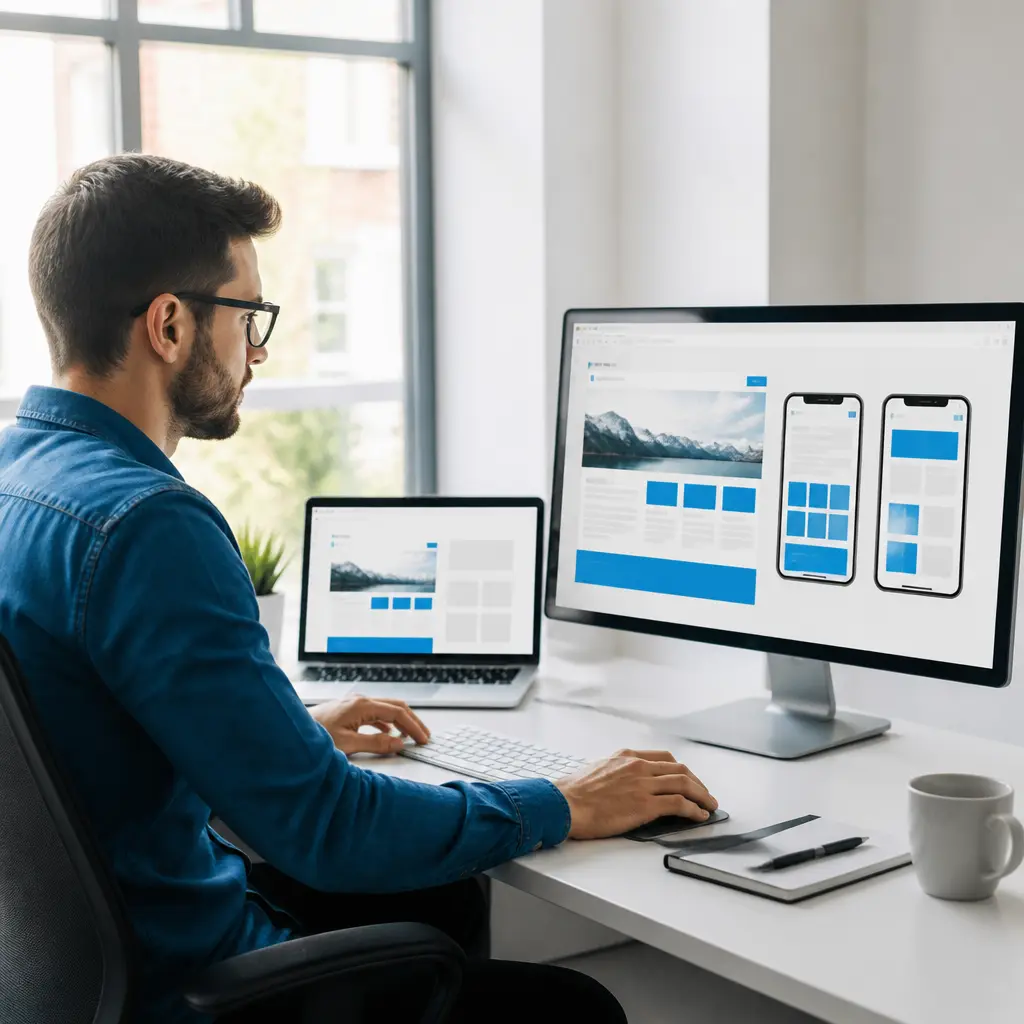

Website Design Services Slough
Website Design Services Slough should be flexible enough to support different commercial requirements. A service-based company may need focused landing pages and enquiry journeys, while a retailer may require product filters, secure checkout and manageable stock information. An established organisation might benefit more from a structured redesign that improves clarity without losing useful content.
A practical project also considers who will update the website after launch. Editors may need to change pages, add articles, publish new products or update contact information without relying on a developer for every small amendment. You can review the broader website development support available before deciding which approach fits your organisation.
Choosing the Right Website Development Approach in Slough
A website should do more than provide an online brochure. It should explain what a business offers, help the right visitors find relevant information and make it straightforward to enquire, purchase or take another appropriate action. Website development in Slough can involve a completely new build, a redesign of an outdated site, an ecommerce project or technical improvements to an existing platform. The best route depends on your current website, internal resources, audience and commercial priorities.
Start with business objectives
Before discussing layouts or software, define what the website needs to achieve. Your objectives might include generating more qualified enquiries, presenting a more credible brand, promoting a specific service, supporting customers or selling products online. These goals influence the page structure, content, calls to action and technical features required.
It is also useful to identify the actions that matter most. A visitor may need to submit an enquiry, call a team member, request information, book a consultation or complete a purchase. Mapping these journeys helps prevent a website from becoming a collection of disconnected pages. Each important page should have a clear purpose and provide enough information for the visitor to make a sensible next decision.
Small Business Website Design
Small Business Website Design should be proportionate to the organisation’s needs while leaving room for future growth. A small business may not need dozens of pages or complex functionality, but it still needs a clear service structure, readable content, contact information and a consistent visual identity. Pages can be built around the services customers search for, the areas served and the questions that commonly arise before an enquiry.
For smaller teams, ease of management is especially important. A website should allow authorised users to make sensible content changes without creating avoidable technical risks. Planning a manageable content structure from the outset can make it easier to add services, publish useful guidance and keep business information accurate over time. A focused website can also provide a stronger user experience than a larger site filled with unnecessary sections.
Responsive design and user experience
Many people will first encounter a business through a mobile device, so responsive design should be considered from the beginning rather than added at the end. Text must remain readable, menus should be usable with touch controls and important information should not be hidden behind awkward layouts. Images, forms and interactive features also need to work across common screen sizes.
User experience includes more than visual appearance. Visitors should be able to understand the business quickly, move between related pages and recognise what to do next. Straightforward navigation, descriptive headings, accessible contrast and concise page sections all reduce friction. A clear experience can support conversions because visitors spend less time searching for basic information and more time evaluating whether the business is suitable.
E-commerce Website Development
E-commerce Website Development requires careful planning around products, categories, payment, delivery and customer communication. Before a build begins, consider how many products will be listed, whether products have variations, how stock will be managed and what information customers need before purchasing. The website should make browsing straightforward, present product details clearly and keep the checkout process focused.
Other considerations may include tax settings, delivery options, order notifications, returns information and connections with existing business systems. Security and ongoing maintenance are also important parts of an ecommerce project. A shop that is difficult to update can create unnecessary administrative work, so the content management experience for products, images and descriptions should be assessed alongside the customer-facing design.
Ecommerce is not limited to physical retail. Organisations may need to sell bookings, digital products, subscriptions or a smaller selection of specialist items. Establishing the purchasing model early helps determine which features are genuinely needed and avoids adding complexity that does not support the commercial objective.
Affordable Web Design
Affordable Web Design should be assessed in terms of suitability and long-term value rather than headline cost alone. A lower initial scope may be appropriate when a business needs a clear brochure website, while a more involved project may be justified where the website supports lead generation, ecommerce or multiple audiences. The important question is whether the proposed work addresses the problems that currently prevent the website from performing its role.
Ask what is included in the project, how content will be handled, whether the platform can be extended and what ongoing maintenance may be required. Clear priorities can help control unnecessary expenditure: essential pages, mobile usability, contact journeys and useful content may deserve attention before optional visual effects or complex features. This approach allows a business to make informed trade-offs without choosing an unsuitable platform or creating avoidable rebuilding costs later.
CMS access and ongoing content management
A content management system can give a business greater control over routine updates. Depending on the selected platform, authorised users may be able to edit page content, add news, manage products, change images and maintain key business information. The system should be configured with sensible permissions and an editing workflow that suits the people responsible for the website.
CMS flexibility does not mean every feature should be editable by everyone. A considered setup can protect important templates while allowing normal content changes. It should also be supported by sensible backups, software updates and a plan for reviewing outdated pages. Content management is most useful when it makes the website easier to keep accurate, not when it introduces unnecessary administration.
Website performance and optimisation
Performance affects how comfortably visitors can use a website, particularly on mobile connections. Image sizes, hosting configuration, code, plugins, fonts and third-party tools can all influence loading behaviour. Performance should be considered during development through appropriate image preparation, efficient page structures and careful selection of functionality.
After launch, monitoring can help identify pages or features that need attention. The website performance optimisation guide provides further context on the factors that can affect a website’s technical experience. Optimisation is not only about a single score; it should support readable content, usable interactions and reliable journeys for real visitors.
When a redesign may be appropriate
A redesign may be worth considering when the website looks dated, performs poorly on mobile devices or no longer reflects the organisation. Other warning signs include confusing navigation, inconsistent branding, outdated services, broken features, weak enquiry journeys or difficulty making routine content updates. Declining engagement may also indicate that visitors are struggling to find what they need.
Review the existing website before replacing everything. Valuable content, search visibility and useful customer journeys may be retained while problems are addressed. The guide to signs your website needs an upgrade can help decision-makers structure that review and identify whether targeted improvements or a fuller redevelopment is more appropriate.
How to compare website development providers
When comparing providers, look beyond screenshots. Ask how they approach discovery, information architecture, content, responsive layouts, accessibility, technical performance and testing. You should also understand who supplies the copy and imagery, how revisions are managed and what happens after the website is published.
A suitable provider should be able to explain recommendations in relation to your objectives rather than simply presenting a fixed feature list. It is sensible to ask how the proposed platform will support future updates, integrations and new pages. The resource on how to choose a website development company offers additional questions to consider during the comparison process.
Businesses may also review service-area information to understand how website development can be approached in other markets, including London, Manchester and Leeds. These pages are useful points of comparison, but the priorities for a Slough organisation should remain its own audience, services and objectives.
Connecting the website with wider digital activity
Website development works alongside other ways customers may discover a business. A clear location and contact structure can support visibility in Google Maps, while well-organised landing pages may provide a stronger destination for relevant Google Ads campaigns. These activities should be planned around accurate information and useful visitor journeys rather than treated as substitutes for a well-structured website.
Trust also matters when someone is comparing providers. Businesses may wish to review available reviews alongside the service information, project scope and communication process. Further information about Fast Online is available through the Fast Online homepage.
Planning the next step
Before enquiring, gather the information that will help a provider understand the project: your existing website address if applicable, key services or products, preferred features, target audiences, examples of websites you find effective and any technical systems that need to connect. It is also helpful to identify content that can be reused and content that needs updating.
Whether you are planning a new website, redesigning an existing platform or exploring ecommerce, a clear brief makes comparisons more meaningful. Businesses considering website development in Slough can use the contact page to share their requirements and discuss the most suitable direction. Other location pages, including Warrington, Ipswich and Dover, provide additional examples of the wider service-area coverage without changing the focus of this Slough page.
Contact Us
Get A Free Website Development Quote 🚀

500+ Projects Completed
No Long-Term Contracts
UK-Based Support
Proven Results
Chat with us on WhatsApp or fill up the form. We’ll contact you shortly.