
Website Development London
Website Development London is for organisations that need a website to do more than simply look current. A successful project should connect business requirements with clear user journeys, dependable technology and a site that remains practical to manage as needs change. Fast Online’s website development services cover the broader considerations involved in planning a new site, rebuild, redesign or upgrade. For decision-makers comparing options, the priority is to establish what the website must achieve, which functionality is genuinely required and how content, search visibility, performance and future maintenance will be handled. This London website development service provides a starting point for assessing those requirements.
Mobile-Friendly Website Design London
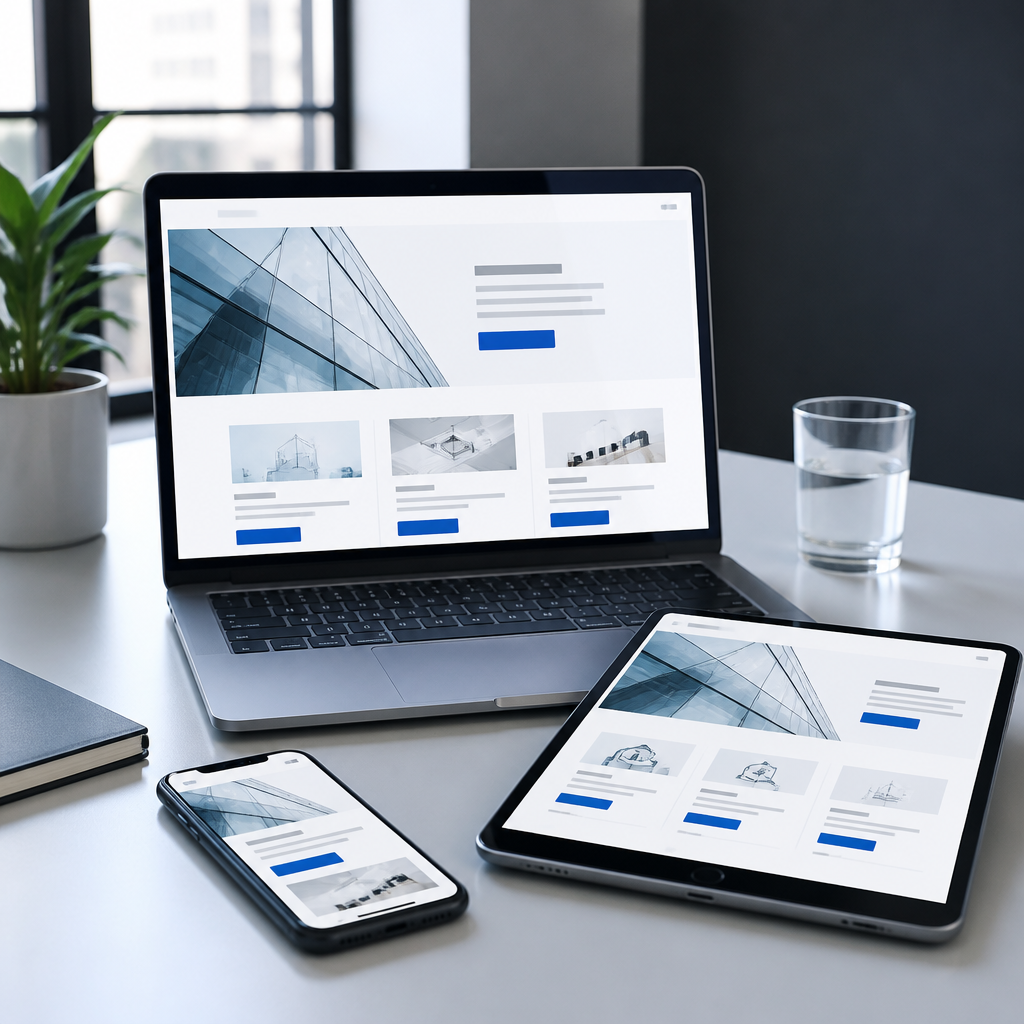
Mobile-friendly design is about more than shrinking a desktop page to fit a smaller screen. Responsive layouts should adapt navigation, content widths, images, forms and interactive elements so that visitors can comfortably use the site on smartphones, tablets and larger displays. Important information and commercial actions should remain easy to find without awkward zooming or excessive scrolling.
Performance also matters because oversized media, unnecessary scripts and poorly implemented components can make mobile experiences frustrating. A considered build balances visual presentation with loading behaviour and straightforward navigation. Responsive behaviour should therefore be planned and tested as part of the wider website development process, rather than treated as a final adjustment after desktop layouts have been completed.
Custom Website Development London
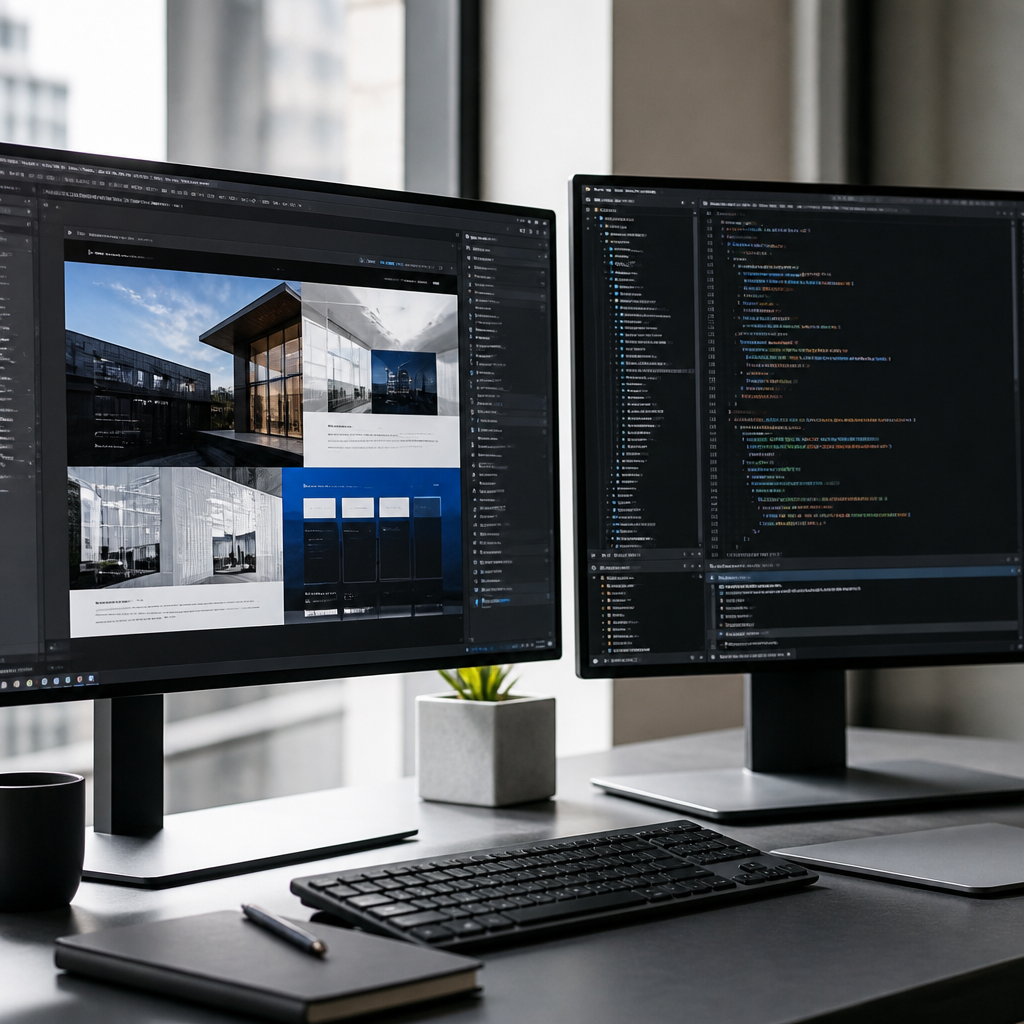
Custom development starts with requirements rather than a predetermined collection of pages or features. The scope may involve particular content structures, enquiry processes, third-party integrations, administrative workflows or functionality that an off-the-shelf configuration cannot address efficiently. The important distinction is that each development decision should have a defined purpose.
Planning should also account for maintainability and future change. Clear data structures, sensible integrations and an appropriate content-management approach can reduce unnecessary complexity as the website evolves. Where requirements extend beyond a conventional website, related apps and software services may also be relevant. Buyers assessing potential suppliers can use this website development company selection guide to consider scope, technical fit and ongoing support questions.
Website Development Options for London Businesses
Choosing an approach to website development requires decisions about platform, functionality, content ownership, search requirements and ongoing management. A brochure-style business site has different technical demands from a content-heavy corporate website or a project involving bespoke workflows and integrations. Before comparing proposals, it is useful to document required page types, user tasks, administrative needs, existing systems and the outcomes the site is expected to support. The wider website development offering provides context for these choices.
WordPress Web Design London
WordPress can be appropriate when an organisation needs a flexible content-management system that enables authorised users to maintain pages, articles and other structured content. The purchasing decision should not rest on the platform name alone. Buyers should consider how templates and reusable components will be constructed, which functionality genuinely requires plugins, how user permissions will be managed and how updates, backups and security will be handled.
A well-planned WordPress build should avoid unnecessary complexity. Excessive plugins or poorly chosen dependencies can increase maintenance requirements and create compatibility or performance concerns. Content editors also benefit from predictable page structures rather than unrestricted layouts that make consistency difficult to maintain. Security should be considered from the beginning, including software updates, account controls and appropriate configuration; Fast Online’s guide to website security best practices provides further points to consider.
SEO-Friendly Web Design London
An SEO-friendly website gives search engines a technically sound and understandable foundation while keeping the experience useful for visitors. Development considerations include crawlable navigation, logical internal linking, meaningful heading structure, appropriate page titles, indexation controls, mobile usability and performance. Developers should also plan redirects carefully when existing URLs change so that a rebuild does not unnecessarily discard established pathways to content.
Technical foundations are only one part of organic search performance; relevant content and broader search strategy also matter. Businesses considering ongoing optimisation can review Google SEO services. For organisations where geographic discovery is important, Google Maps visibility is a related consideration rather than a substitute for a well-structured website. During early research, Google Trends can also help compare patterns of search interest, although trend data should be interpreted alongside actual customer needs and business priorities.
Corporate Website Design London
Corporate website projects often involve more stakeholders, content types and governance requirements than a smaller brochure site. A useful discovery process establishes who approves content, which audiences need distinct journeys, whether departments require different permissions and how information such as services, resources, locations or recruitment content should be organised.
Consistency is especially important as a corporate site grows. Reusable components and documented content patterns can make future publishing more manageable while keeping presentation coherent. Integrations should be scoped around the systems involved, the direction and frequency of data exchange, failure handling and responsibility for maintaining each connection. Buyers should distinguish essential launch requirements from desirable later enhancements so that the project scope remains clear.
Redesign, Upgrade or Rebuild?
A visually dated website does not automatically require a complete rebuild. If the underlying platform, content structure and functionality remain suitable, a redesign may address presentation and usability with less disruption. The website redesign guide explains issues worth examining before deciding on scope. Technical constraints, difficult content management, unsupported components or substantial changes in business requirements may instead make a deeper rebuild more appropriate. Reviewing common signs that a website needs an upgrade can help frame that assessment.
Whichever route is chosen, preserve useful content and existing URLs where practical, map redirects where URLs must change, and identify integrations and analytics requirements before launch. This reduces the risk of discovering important dependencies late in the project.
Accessibility, Testing and Quality Checks
Accessibility should influence design and development throughout a project. Practical considerations include keyboard operation, visible focus states, useful alternative text, sufficient colour contrast, form labels and a meaningful document structure. WebAIM accessibility resources offer practical guidance for inclusive web experiences. Section508.gov is also a useful accessibility reference in its US federal context, but Section 508 should not be treated as the universal legal standard for UK commercial websites.
Pre-launch testing should cover representative browsers and screen sizes, forms, navigation, integrations, error states and important user journeys. Automated checks can assist but do not replace manual review. The W3C Markup Validation Service can identify markup issues that are useful to investigate as part of technical quality assurance.
Comparing Scope, Cost and Ongoing Requirements
Website cost depends on the actual scope rather than a single page count. Factors can include bespoke design, content migration, custom functionality, integrations, ecommerce requirements, accessibility work, data handling and the amount of testing required. A useful proposal should make assumptions and exclusions clear enough for decision-makers to compare like with like.
Ongoing ownership matters too. Ask who will handle platform updates, backups, monitoring, content changes and future development, and establish what access the organisation will retain. Where independent customer feedback forms part of supplier assessment, Fast Online’s supplied reviews can be examined directly rather than relying on unsupported claims.
For organisations comparing the same website-development service in other areas, Fast Online also provides information for Nottingham. Its service information for Swansea offers another location-specific reference. Separate pages are available for Cambridge, while website development information for Halifax can be reviewed independently. The equivalent service page for Bury is also available. These pages are supporting location resources; organisations seeking Website Development London should base the purchasing decision on their own requirements, desired functionality and the suitability of the proposed approach.
Contact Us
Get A Free Website Development Quote 🚀

500+ Projects Completed
No Long-Term Contracts
UK-Based Support
Proven Results
Chat with us on WhatsApp or fill up the form. We’ll contact you shortly.